Category: Newsletter

The Cape Cod Climate Action Plan encourages the region to support low- and no-carbon transportation alternatives, expand charging infrastructure, and promote programs that increase EV adoption. Since 2020, EV ownership on Cape Cod has nearly tripled, and charging infrastructure continues to grow. The Cape Cod Commission supports this progress through a range of initiatives, including several new programs focused on expanding EV access, improving infrastructure, and promoting equity.
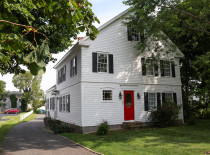
The Cape Cod Commission is developing program frameworks to preserve and expand year-round housing opportunities. This work, undertaken in partnership with Outwith Studio, builds on recommendations outlined in the Cape Cod Regional Housing Strategy and aims to identify practical, effective ways to incentivize and support year-round residents.
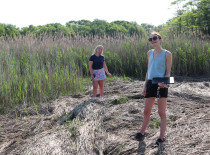
With support from a state grant, Cape Cod Commission interns are compiling a comprehensive inventory of outdoor recreational areas across the region. The project will consolidate data from towns, land trusts, and planning documents into an online map and statewide database. The goal is to improve access to information about parks, trails, and other open spaces for residents and visitors alike.
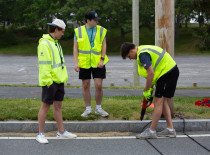
Traffic technicians are collecting data across Cape Cod to support the implementation of the Vision Zero Action Plan and other planning efforts. Interns are installing traffic counters, assessing pavement conditions, and responding to town data requests. Their work provides critical input for safety improvements and infrastructure planning while offering students hands-on experience in engineering and data analysis.
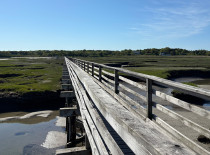
With support from a grant awarded by the Massachusetts Office of Outdoor Recreation (MOOR), within the Executive Office of Energy and Environmental Affairs, the Commission will collaborate with the Cape Cod Chamber of Commerce and the Compact of Cape Cod Conservation Trusts to create a comprehensive database featuring detailed site descriptions and images of recreational areas across Cape Cod. The project aims to improve planning and public access to information about the region's diverse natural resources.

May is Bay State Bike Month, a celebration of two-wheeled transportation organized by MassBike, the state's bicycle advocacy organization. This month-long event highlights the many benefits of biking and encourages more people to try it. On Cape Cod, a number of projects are underway to improve access for cyclists and pedestrians, bringing the region closer to realizing Vision 88, an effort to create a network of off-road shared use paths from Woods

May is National Historic Preservation Month, a time to celebrate the importance of preserving the places that shape our communities and reflect our shared history. On Cape Cod, historic preservation plays a vital role in protecting the character and charm that define the region.
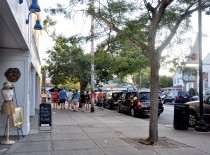
Commission staff recently presented the Year One CEDS Annual Report to the Barnstable County Economic Development Council (BCEDC), detailing the region’s progress on the 2024-2029 CEDS. Highlights from the first year include efforts that support zoning reform, climate planning, infrastructure investment, housing incentives, and broadband expansion.

The Cape Cod Metropolitan Planning Organization (MPO) welcomed Luisa Paiewonsky, Executive Director of the Megaprojects Delivery Office of the Massachusetts Department of Transportation (MassDOT), to its May 19, 2025 meeting for an update on the progress of the Cape Cod Bridges Program.
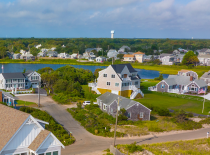
A framework for establishing a Cape Cod Housing Trust and Housing Land Bank is complete. Created in collaboration with consultants Outwith Studio and Utile along with land bank consultants out of Ohio, the framework provides recommendations and next steps for potentially establishing the entity(ies) based on feedback received from stakeholders at numerous meetings throughout the fall and early winter. The framework emphasizes sustainable development and the importance of community engagement in ultimately bringing the entities to life.