Reflecting on the Cape Cod MPO
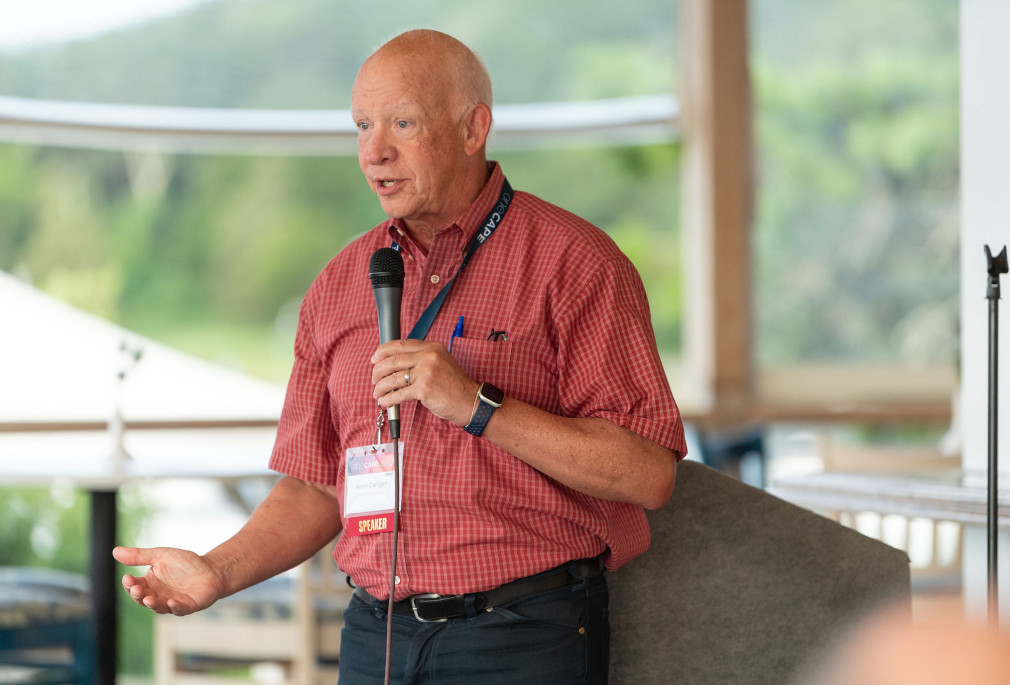
After nearly six years serving on the Cape Cod Metropolitan Planning Organization (MPO), Kevin Galligan is preparing to step away from a role that has given him a front-row seat to some of the region’s most important transportation decisions.
For Galligan, serving on the MPO has given him perspective on the complexity of transportation planning and the importance of including local voices in the process.
“The MPO, and really all the partners together, do amazing work,” Galligan said, highlighting the planning, data analysis, crash reporting, public outreach, and coordination of substantial state and federal transportation funding that underpin the organization’s mission. Transportation projects, Galligan notes, are rarely as simple as paving a road or making a physical improvement. Each one requires careful consideration of changing conditions, property impacts, traffic patterns, community concerns, and other local factors.
That attention to local context is one of the aspects of MPO service Galligan has valued most. MPO members have an opportunity not only to vote on regional transportation priorities, but also to ask questions, raise community concerns, and help ensure projects respond to local needs.
Galligan has taken that responsibility seriously. When he learned through the MPO about planned load restrictions on a Route 6 bridge that crosses the Bass River, for example, he wanted to understand the issue firsthand. He drove to the bridge and walked down the embankment to see it himself, which gave him a better understanding of the conditions and the potential effects on surrounding communities, including emergency vehicle access.
“I really do care about this work,” he said. “When we really raise the issues of what this impact is locally, I get the sense we’re listened to.”
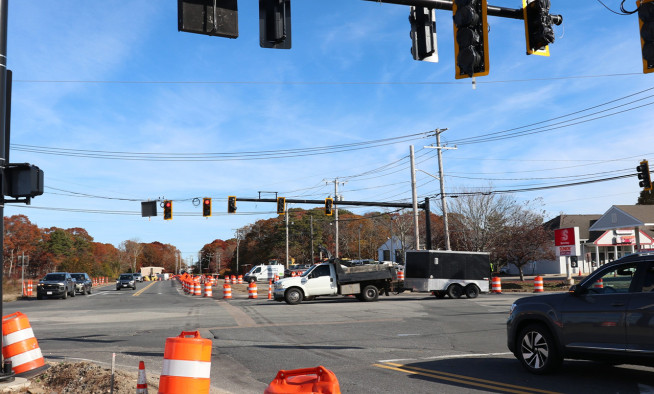
Over the course of his service, Galligan has watched transportation projects evolve from early planning and design through construction. He cites improvements at the Route 39/28 roundabout in Orleans as a prime example. His MPO tenure overlapped with the Orleans project from its initial design through bidding and construction, providing insight into everything from right-of-way requirements and lighting specifications to seasonal construction limitations.
That knowledge, Galligan said, has helped him explain to residents why projects often take years to complete.
He is also particularly pleased to see the Orleans–Eastham Rotary project moving forward. Beyond bringing Transportation Improvement Program funding to Eastham, Galligan sees the project as an important combination of roadway safety and climate resilience — an example of how transportation investment can respond to both current needs and future conditions.
For Galligan, however, serving on the MPO is about more than understanding individual projects. It also provides members with early insight into regional transportation initiatives, funding opportunities, and major efforts such as the Cape Cod Bridges Program. When new grant opportunities are discussed, Galligan often brings that information directly back to Orleans officials so the community can act quickly.
That connection between regional planning and individual communities is something he believes every MPO member should embrace.
“If you sign up for this, not only [should you] vote and listen and advance things, but you should also be sending it out,” Galligan said. Elected voting members, he added, have an obligation to help residents understand what is happening at the regional level and why it matters.
As he prepares to leave public service, Galligan hopes others will consider taking his place.
His message to potential members is simple: the work is interesting, consequential, and manageable. MPO meetings typically last about an hour to an hour and a half, and members are supported by Cape Cod Commission staff who prepare meeting materials and help guide the process. In return, members gain firsthand knowledge about transportation projects, funding opportunities, safety initiatives, and decisions that will shape Cape Cod for years to come.
“If you really want to be in the know about what’s going on with the bridge program, sign up,” Galligan said. More broadly, he said, MPO members are placed “in a position of being helpful” to their communities.
Perhaps nowhere is that responsibility clearer than in transportation safety.
Galligan said reports of fatal crashes involving pedestrians and bicyclists continue to weigh heavily on him. Through crash-data analysis, Vision Zero planning, project development, and implementation, he believes the MPO gives local leaders an opportunity to make a tangible difference.
“There’s an important part of serving,” he said, “because you may be helping a life that otherwise could be lost in a crash.”
After years of public meetings, regional discussions, project reviews, and community advocacy, Galligan is ready to make room for others to serve. His advice to those considering it is to engage, ask questions, bring what they learn back to their communities, and care about the work.
“I definitely would say, please consider signing up,” he said. And for anyone wondering what the experience is really like, Galligan has one final offer: reach out. He is happy to share what he has learned and help future members prepare to take their own seat at the table.
Call for Nominations now Open
The MPO has opened nominations for all four sub‑regional representative seats, which will be elected to serve from January 1, 2027 through December 31, 2029. During the current nomination period, select board members from the 14 eligible towns may nominate themselves or another select board member from within their sub‑region by emailing Cape Cod Commission staff by October 13 or attending the Ocotober 19 MPO meeting. After nominations close, elections will take place at the rescheduled November MPO meeting, now planned for November 30.
A Metropolitan Planning Organization (MPO) is a federally required regional group that plans how federal transportation dollars are spent in areas with 50,000 or more people. While the term “metropolitan” might suggest a big city, in this context, it simply means a region where towns are closely connected by people’s daily activities, like commuting, shopping, or going to school. Established by Congress in 1962, MPOs ensure that transportation investments are made through a collaborative, data-driven process involving local governments, transportation agencies, and the public. This process helps align spending decisions with a shared regional vision. Learn more: www.capecodcommission.org/mpo
Related Posts