Protecting water quality across the region
Communities across Cape Cod and the Islands continue to advance significant wastewater and water quality projects, and regional collaboration is helping towns share lessons, address challenges, and identify opportunities for support.
Oak Bluffs is the newest member of the Cape Cod and Islands Water Protection Fund. The town appointed Town Administrator Wendy Brough to serve on the Fund’s Management Board, and Commission staff are providing information and guidance as the town joins the program.
Oak Bluffs is currently advancing the first phase of a wastewater expansion project, with completion anticipated in December 2027. The town is also reviewing its wastewater bylaws and the process for calculating betterment assessments. Oak Bluffs’ participation brings the town’s experience and perspective to a regional forum in which communities regularly exchange information about planning, financing, permitting, construction, and public outreach.
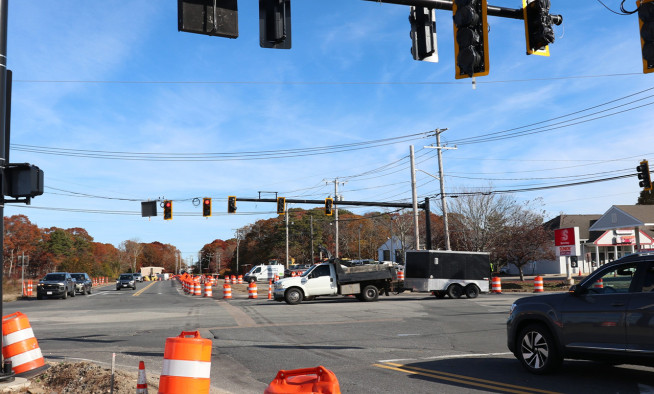
At its July meeting, the Cape Cod and Islands Water Protection Fund Management Board authorized the Commission to move forward with a construction disruption assistance initiative. Sewer projects provide long-term environmental and economic benefits, but construction can create significant challenges for local businesses, residents, and visitors.
The initiative builds on the experiences of communities already undertaking complex, multiphase wastewater projects. It will begin with interviews and surveys to better understand the impacts communities and businesses are experiencing. The project team will then examine assistance programs and strategies used in other communities, identify potential funding sources, and develop practical, adaptable recommendations for Cape Cod and Islands towns.
The work will result in short- and long-term strategies to reduce economic disruption, along with a resource guide and communications toolkit to help towns share clear and timely information before and during construction. Because road networks, business districts, construction schedules, and community needs differ throughout the region, the study will consider a range of approaches rather than a single model.
During the July meeting, Management Board members present shared updates on projects underway throughout the region.
Barnstable continues to advance major sewer investments while navigating watershed permitting and issues related to nitrogen removal, PFAS, and effluent discharge. Bourne is beginning work on watershed permits for two nitrogen-sensitive watersheds.
Brewster recently completed an update to its integrated water resources management plan, submitted a Herring River watershed permit application, and released its first ponds management plan for public review. Chatham is preparing for its next phase of construction as part of a long-term wastewater program.
Eastham expects to begin construction of its wastewater treatment facility in September and is preparing additional collection system phases for bidding. Falmouth is completing a treatment facility expansion, extending its sewer collection system, and advancing planning and permitting for an ocean outfall.
Harwich is moving forward with pond remediation and Pleasant Bay watershed projects while exploring opportunities related to recharge and regional treatment capacity. Mashpee continues construction of its Phase 2 collection system and is pursuing additional wastewater infrastructure serving the Popponesset Bay and Waquoit Bay watersheds.
Provincetown is building a satellite treatment facility and expects to make sewer service available throughout the town by 2030. Wellfleet is completing a small treatment plant that will serve affordable housing and municipal buildings and is developing its first sewer regulations. Orleans is advancing a lakes and ponds project and preparing for construction along Route 28.
These efforts reflect the scale and variety of wastewater and water quality work underway across Cape Cod and the Islands. Continued regional coordination will help communities learn from one another, manage construction impacts, and advance projects that protect the region’s water resources.
Learn more and explore subsidy awards by visiting www.capecodcommission.org/cciwpf
Related Posts