One of the many things that make Cape Cod special are its thousands of historic buildings. Many of these buildings do not have protections against their demolition or significant alteration. To provide towns with another tool to help preserve and protect the historically significant structures in their town, Cape Cod Commission staff developed model zoning that allows for greater zoning flexibility in exchange for the protection and preservation of historic resources. Development of this model zoning was requested by the Town of Barnstable through the District Local Technical Assistance program. The resulting historic preservation incentive model bylaws aim to help communities preserve historic resources while supporting new and redevelopment by focusing on incentives, rather than restrictions, to make preservation, rehabilitation, and adaptive reuse more practical and attractive alternatives to demolition.
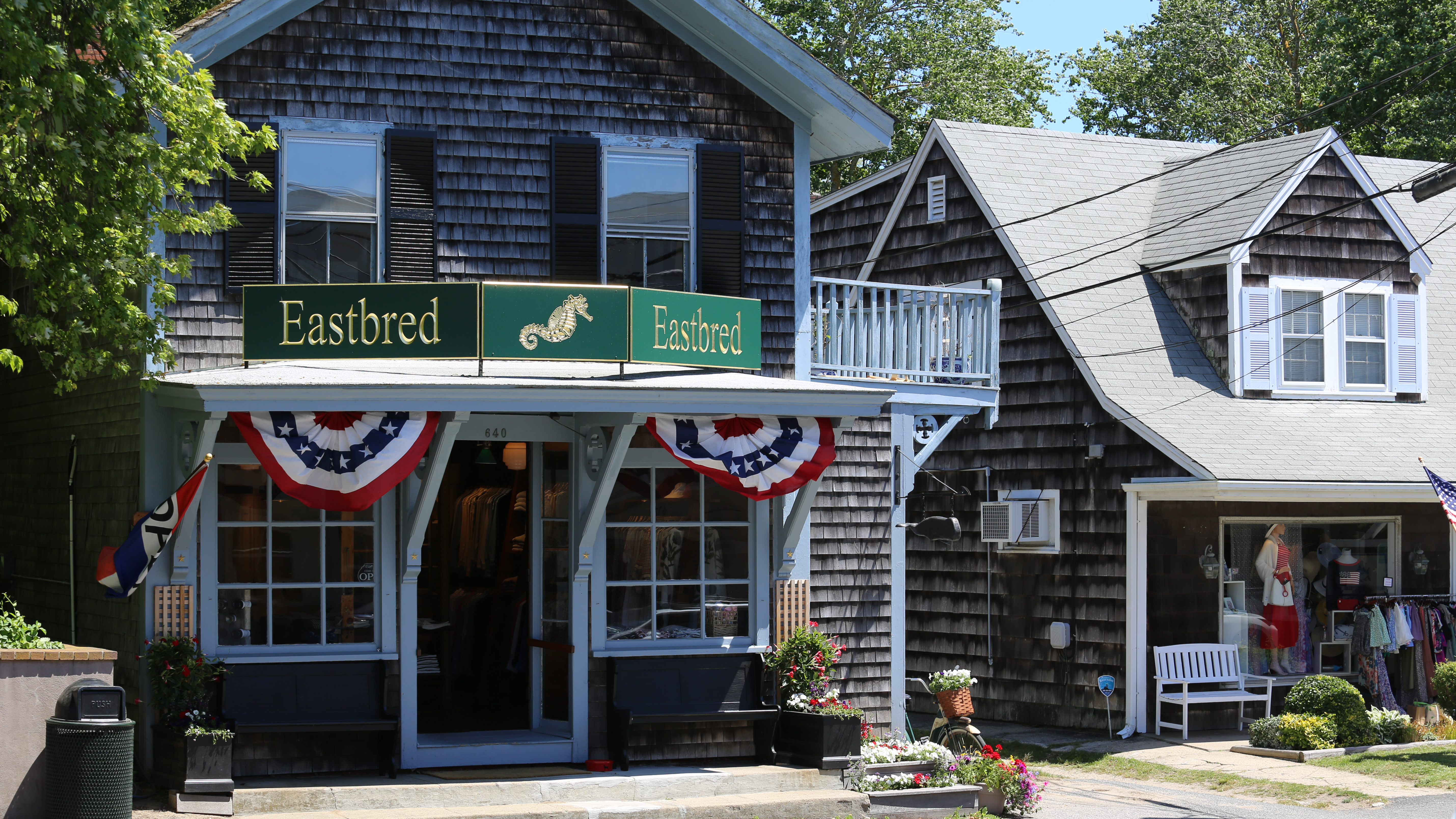
Zoning that provides incentives for reusing and preserving historic buildings is one tool communities can use to encourage preservation of historic assets in our towns.
Like other model bylaws, towns can and should tailor the bylaws to best fit their existing zoning, historic resources, and local priorities. And as always, towns should consult with municipal counsel during development and adoption of any zoning changes. Commentary provided within the bylaws explains which, and how, standards within the bylaws can be changed to meet local needs. The dimensional and use flexibility model bylaw provides for modifications to setbacks, building coverage, parking, and other dimensional requirements if a historic resource is preserved and protected. Another feature of the bylaw is adaptive reuse of historic properties, which allows uses otherwise restricted by current zoning. Expanding the range of allowed uses can help generate investment to maintain historic buildings over the long term. In addition, a second model bylaw allows for the creation of bonus lots as an incentive to encourage the preservation of historic resources subject to potential redevelopment or alteration.
The model bylaws' flexibility remains closely linked to historic preservation. Projects requiring a special permit must demonstrate that proposed changes will preserve key historical and architectural features, complement the property’s historic character, and avoid or reduce negative impacts on the surrounding area. Communities may also require preservation easements, deed restrictions, or other conditions to ensure that historic features remain protected over time.
By combining preservation with development flexibility, the historic preservation incentive model bylaws give Cape Cod communities a new tool to support development while protecting the buildings and places that define the region’s character.

Contact
-
Elisabeth Kellamelisabeth.kellam@capecodcommission.org
-
Chloe Schaeferchloe.schaefer@capecodcommission.org